

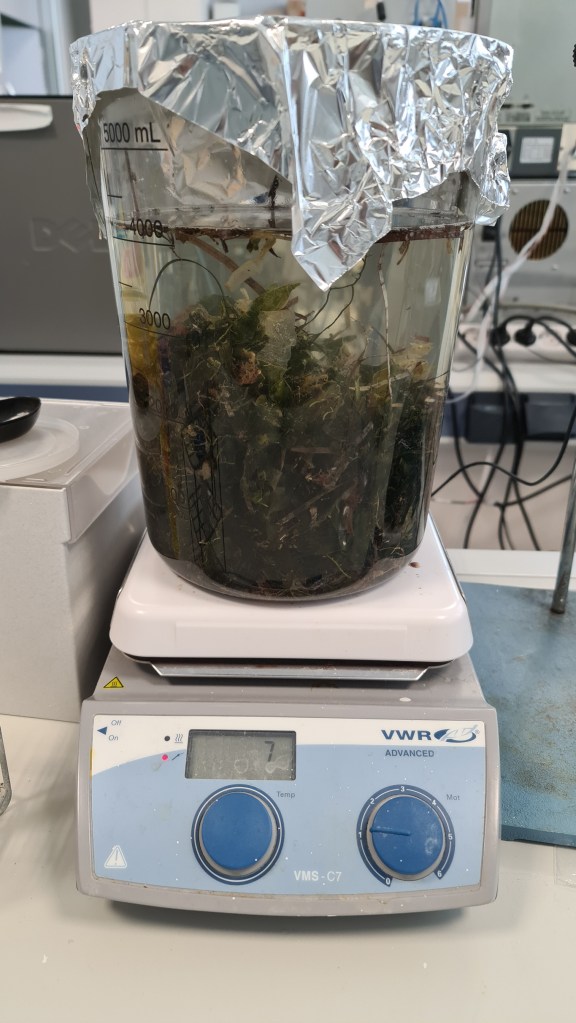
At the end of summer 2021, Cristina Soler, Associate Professor and researcher at the UAM Dpt. Sec. of Food Sciences (and Project leader), took a sample of the degraded algae accumulated on the Mar Menor shore and inoculated it with mycelia from different edible mushrooms (lab scale).
Half of the algae sample was dialyzed (salt removed) in the lab, the other half was used as it was. The mycelium of some edible mushrooms could grow without any problem on the marine residue in a Petri dish. The medium containing undialyzed algae seemed not to impair its growth.
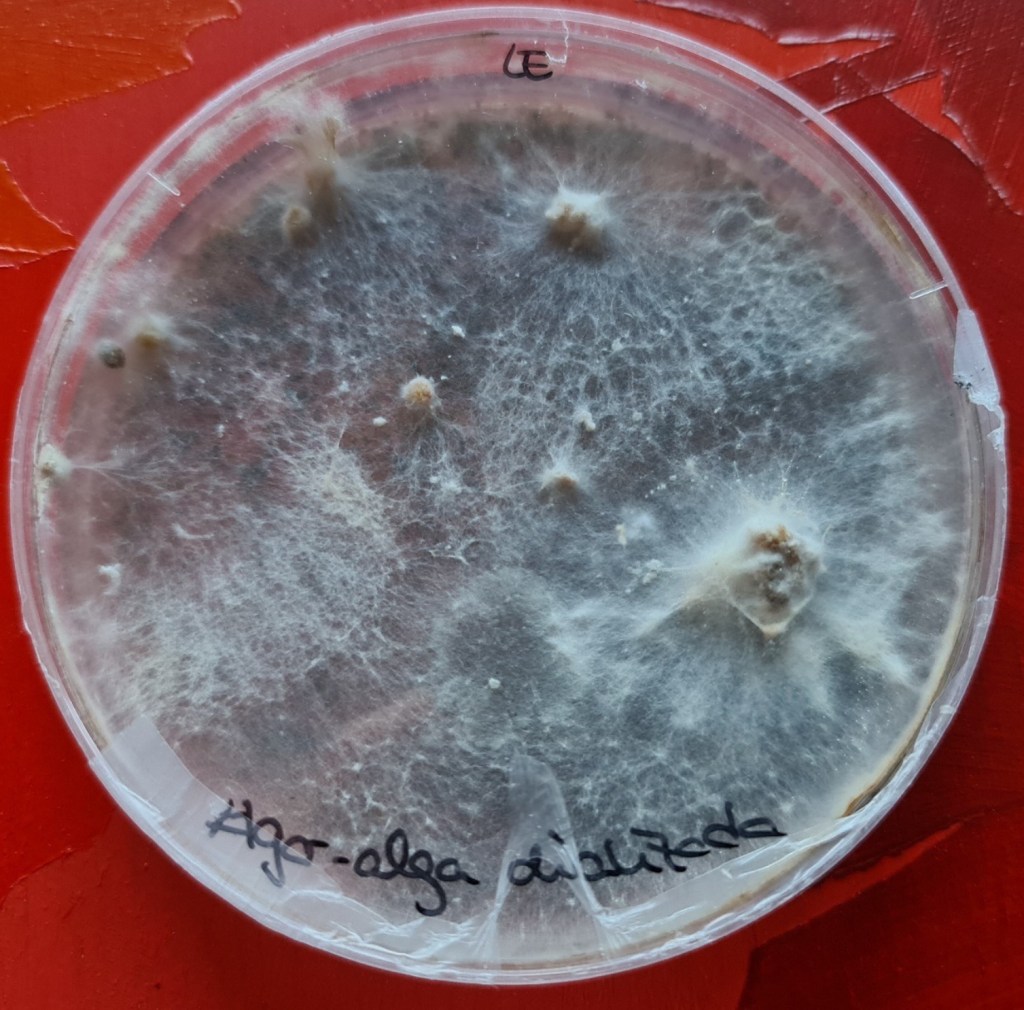
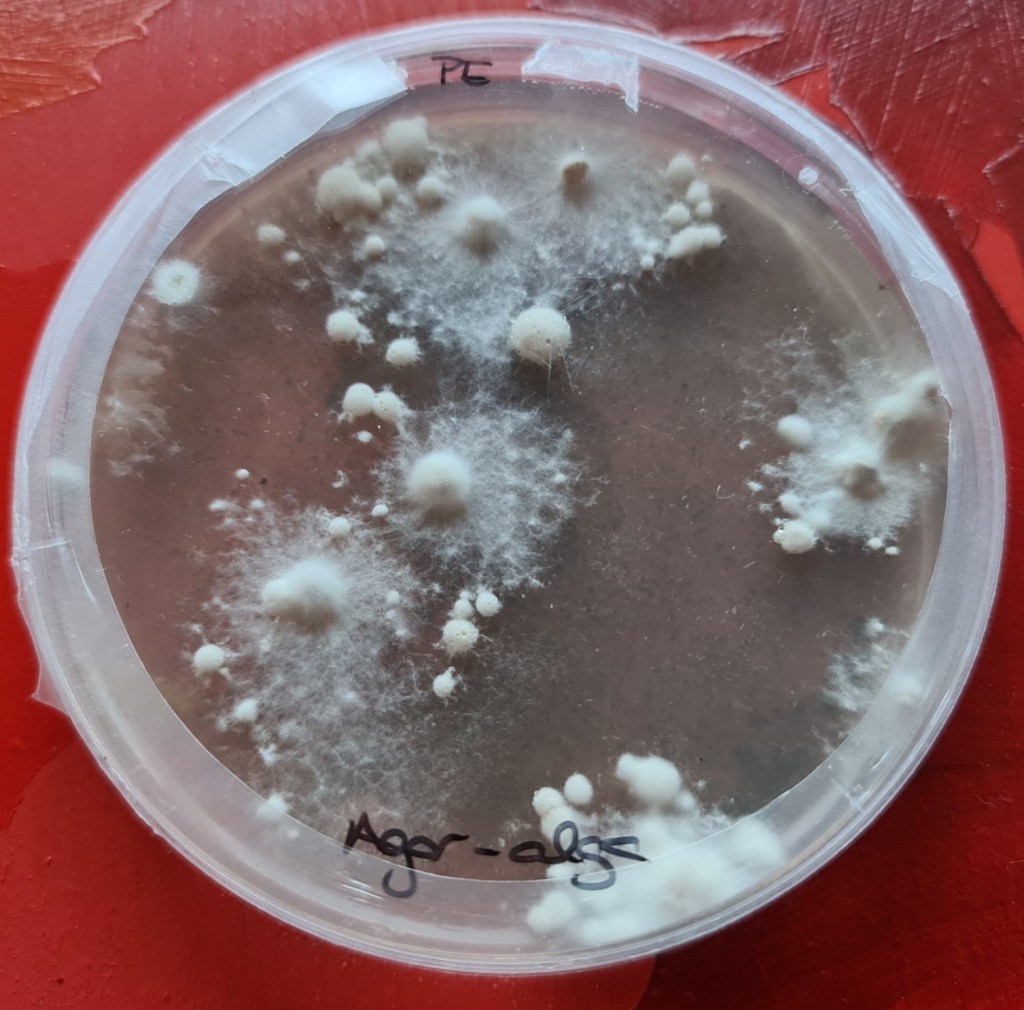
Moreover, the medium containing the algal wracks from Mar Menor lagoon might contain particular compounds because it induced primordia, the initial structures that appear when fruiting bodies are generated.
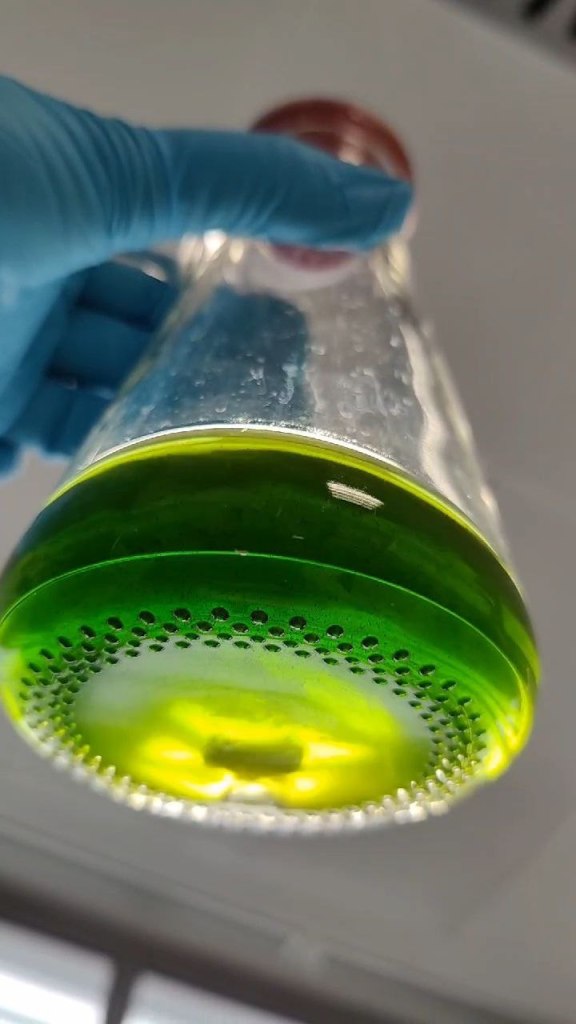
After these promising results, the Algarikon proposal was submitted and it was granted by the TED program. Actually, the project is still being developed from December 2022 to September 2025.
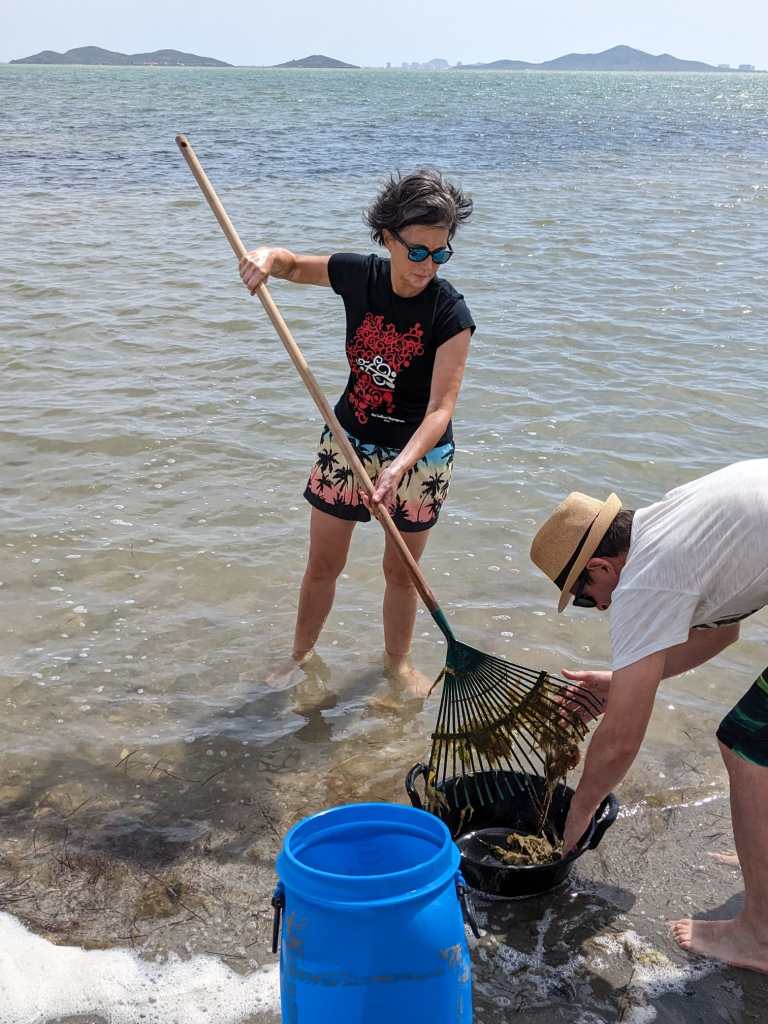
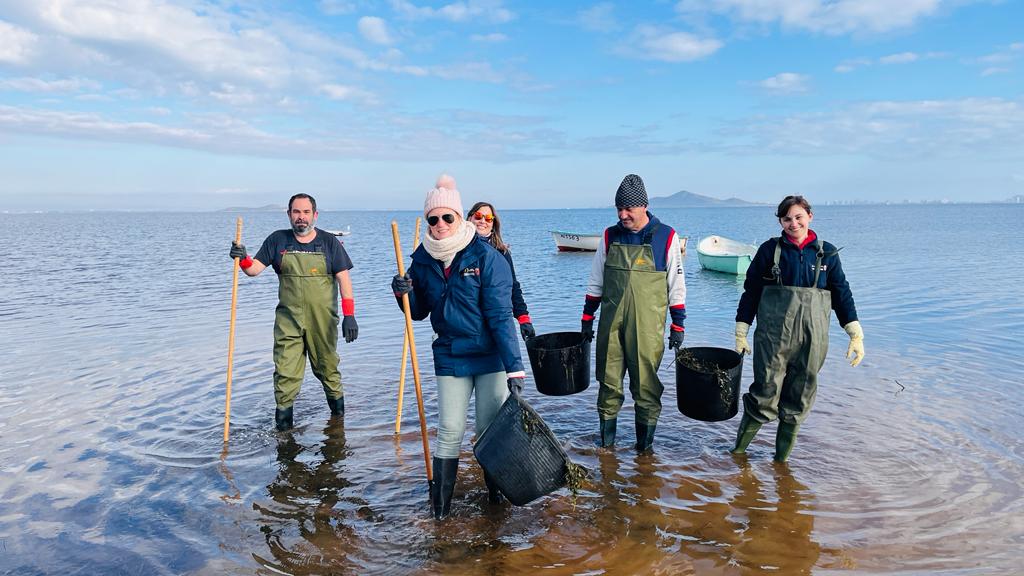
Since the project began, algal wracks were collected from several beaches. The different species present in the samples were also analyzed and followed during the four stations. Samples were also taken from the recycling plants where all the collected biomass is being accumulated.
At the beginning small quantities of material was taken to carry out initial tests at the lab on a small scale, but later larger amounts were needed to carry out pilot plants scale tests.

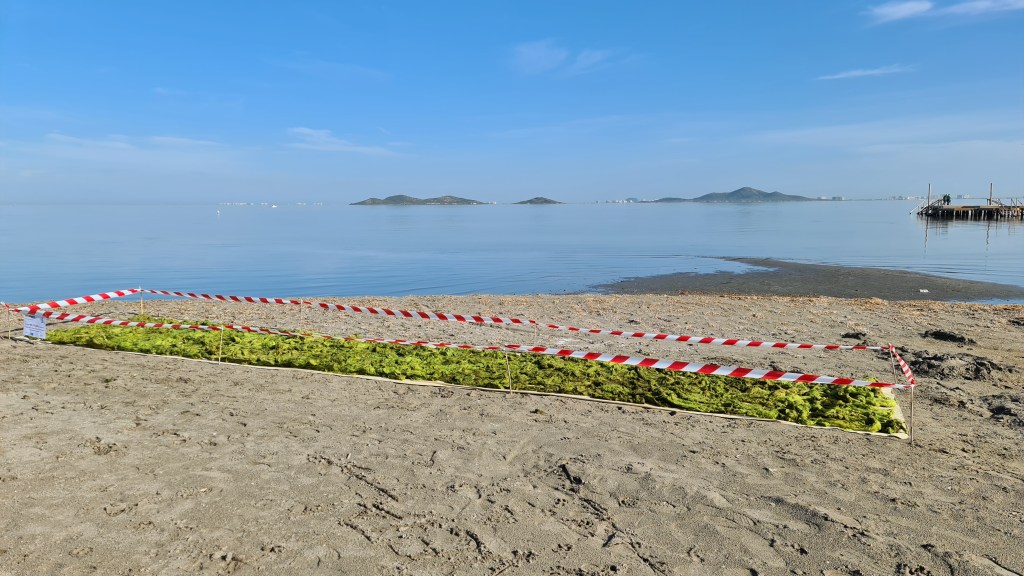
Some of the samples that we collected were dried on a cloth placed on the beach sand to simulate their deterioration on lagoon shore
Algal wracks from Mar Menor lagoon stimulated lettuce growth when mixed in a particular ratio with its substrate, could it be due to its biostimulant compounds?

Extracts were obtained from the algal wracks that stimulated the germination and growth of lettuce seeds
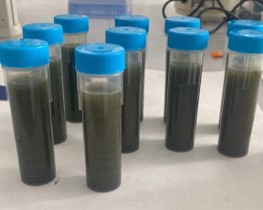
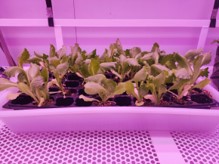
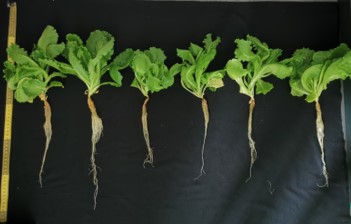
The Fisheries and Aquaculture Service of the Murcian Region, the Division for Mar Menor (Agricultural Counseling) and its subcontracted companies in charge of collecting biomass from the shores helped in the mass collection. RECICLESAN operators (a recycling plant) facilitated a location to carry out tests and prepare the algal wracks for transport.
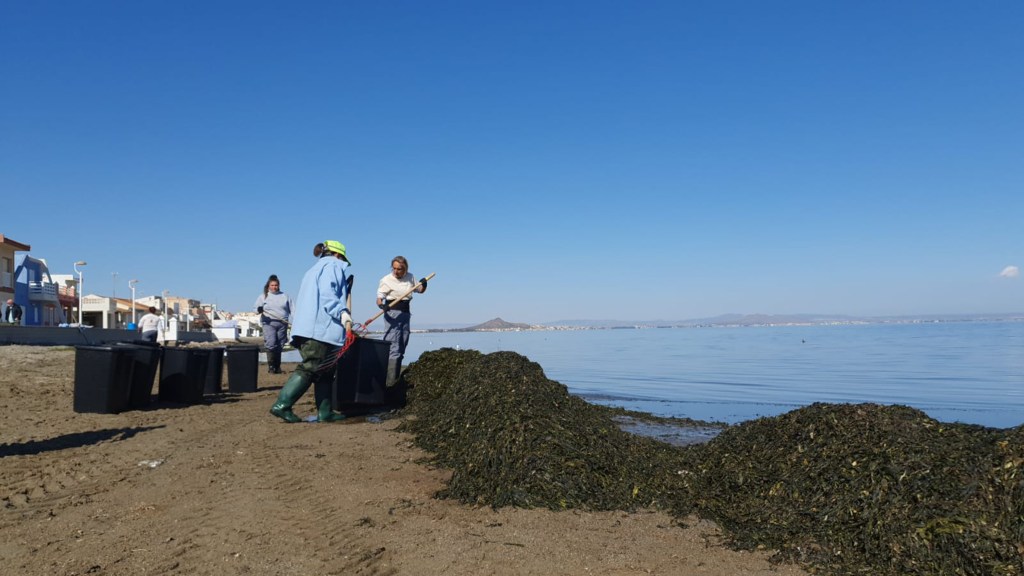
Afterwards, the fresh or dried samples (depending on the intended type of experiment), were sent to the research centers participating in the project located in Murcia, Madrid or La Rioja.
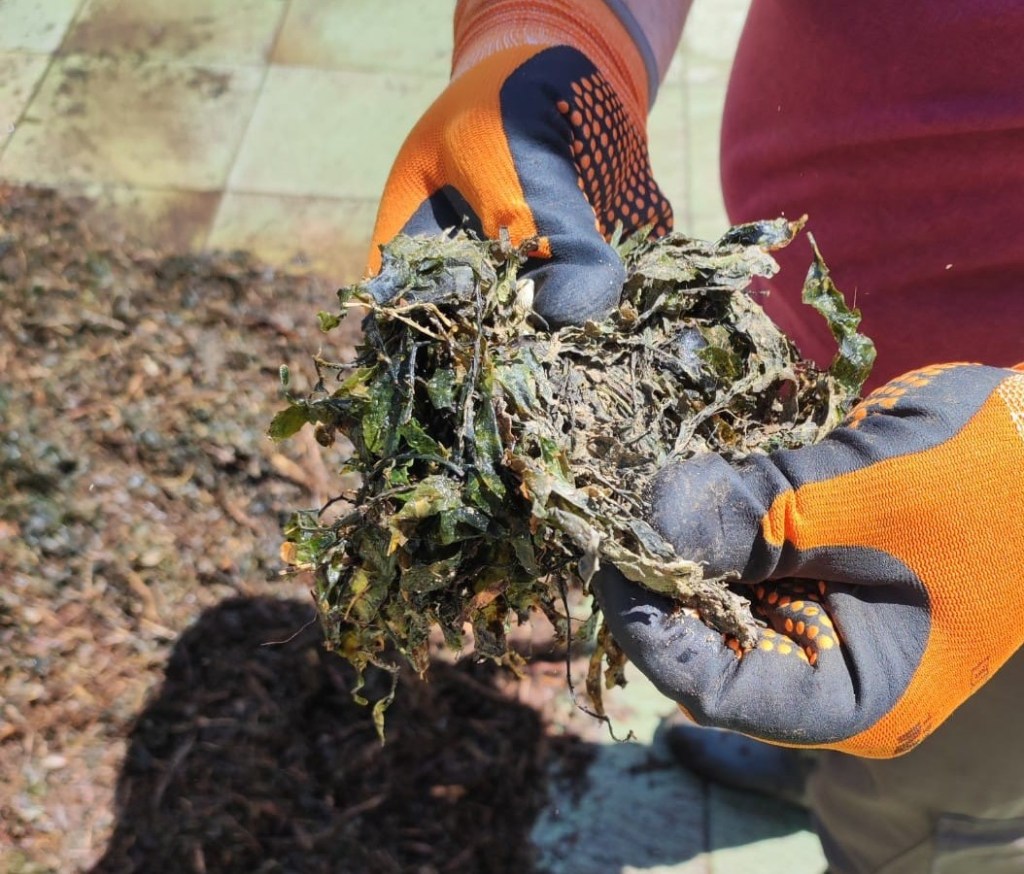
When they reach the labs or cultivation facilities, the project researchers process them to be tested as substrate to cultivate several edible mushrooms, as a substrate for lettuce or as raw material to extract compounds of interest for the food or agronomic industries.
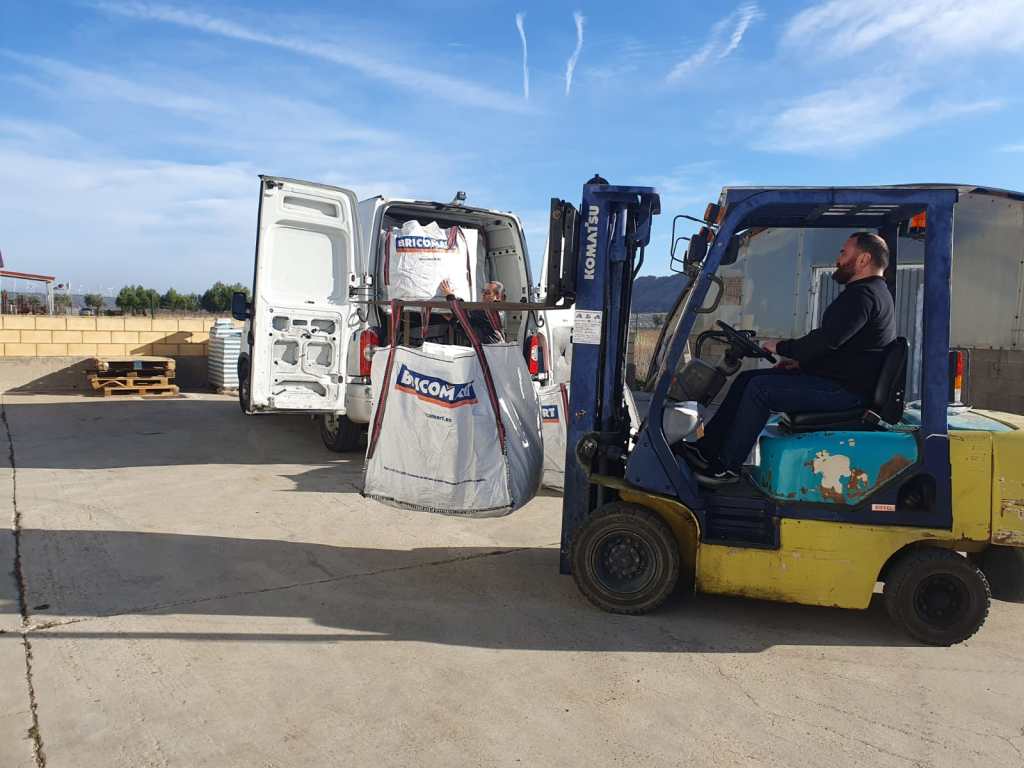
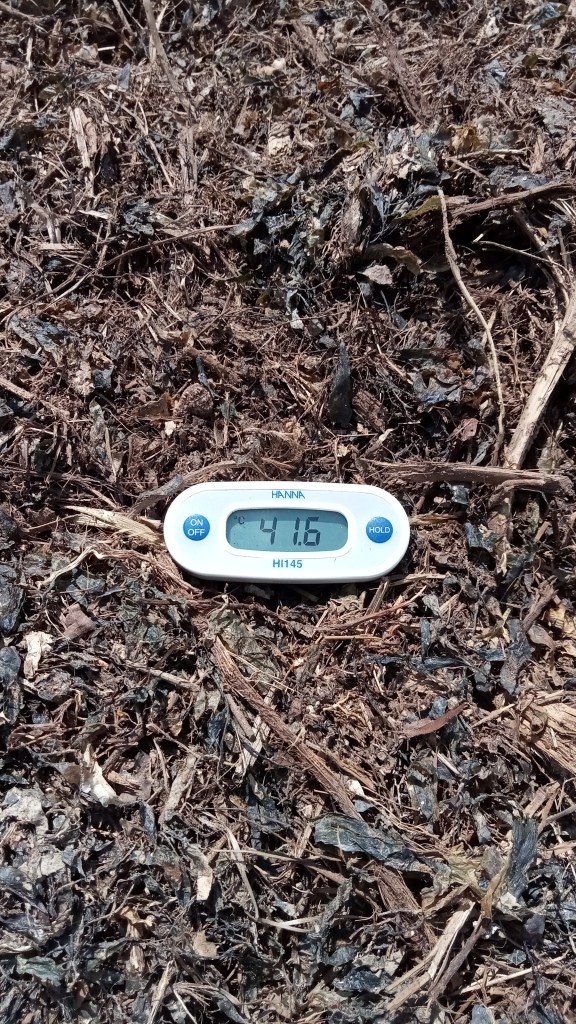
Some of the collected algal wracks were composted together with other lignocelullosic materials from areas close to Mar Menor lagoon

Sudge accumulated at the bottom of Mar Menor was also collected and tested as inoculum to digest the algae and evaluate its ability to produce biogas in bioreactors (methane). Methane can be utilized as a source of clean energy. Thus, CIEMAT team went together with 2 divers by boat to a deep area to take samples.
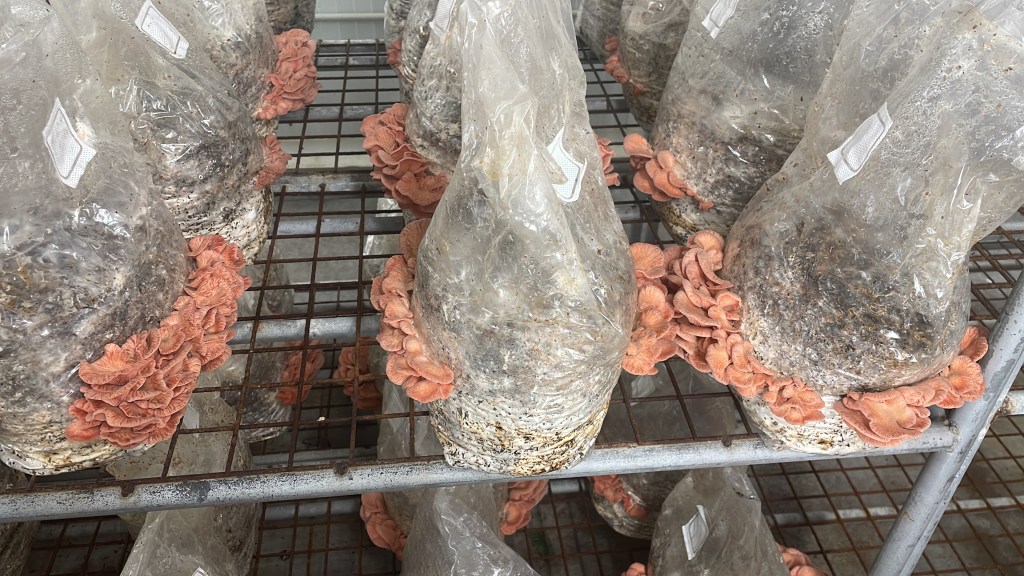
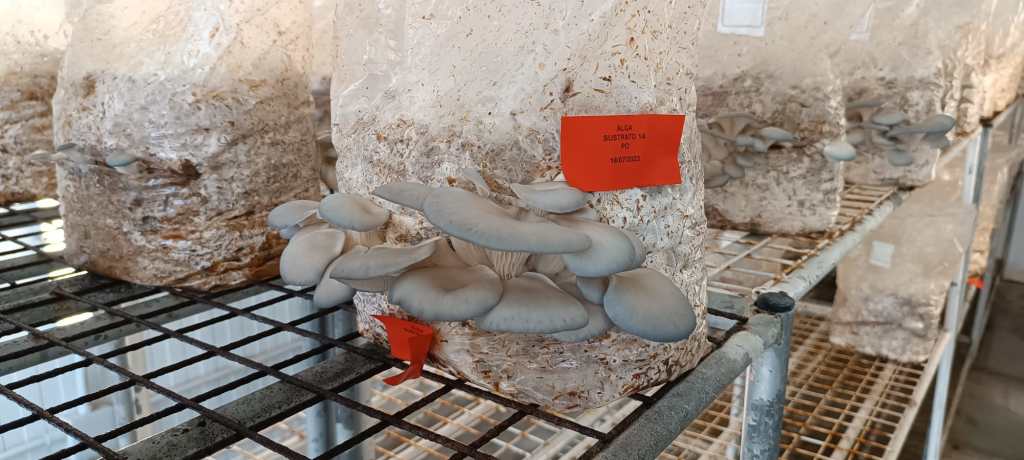
After testing some mixtures and procedures, a method to grow several mushroom species in substrates containing algal wracks from Mar Menor was optimized with the same yield that standardized substrates.
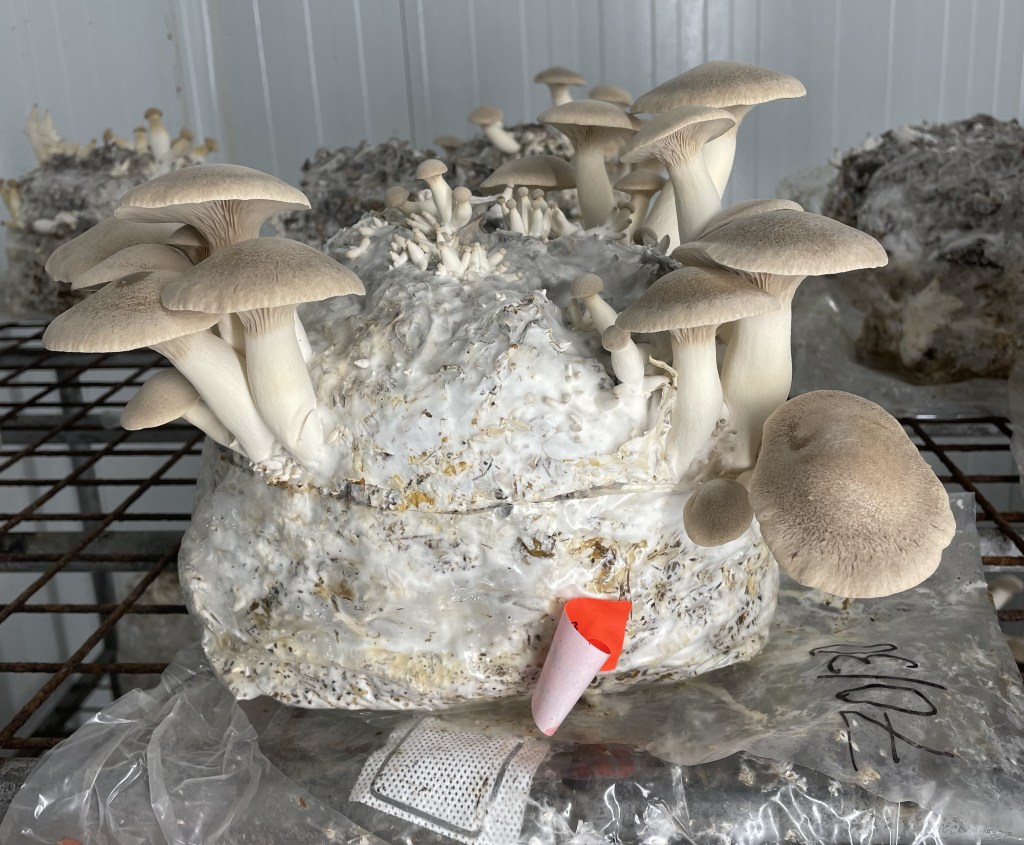
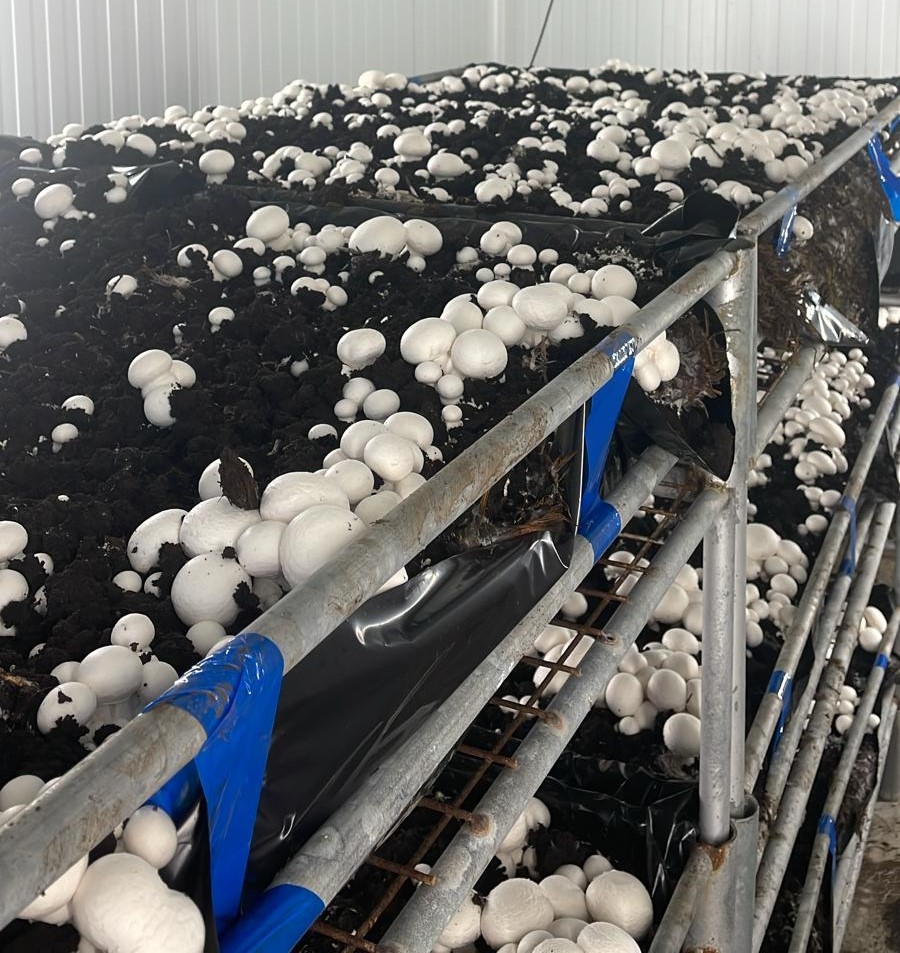
Moreover, other experiments were carried out using the algal wracks as part of the substrate to cultivate the Whitte button mushroom and results indicated that the wracks stimulated their growth and their production yield.
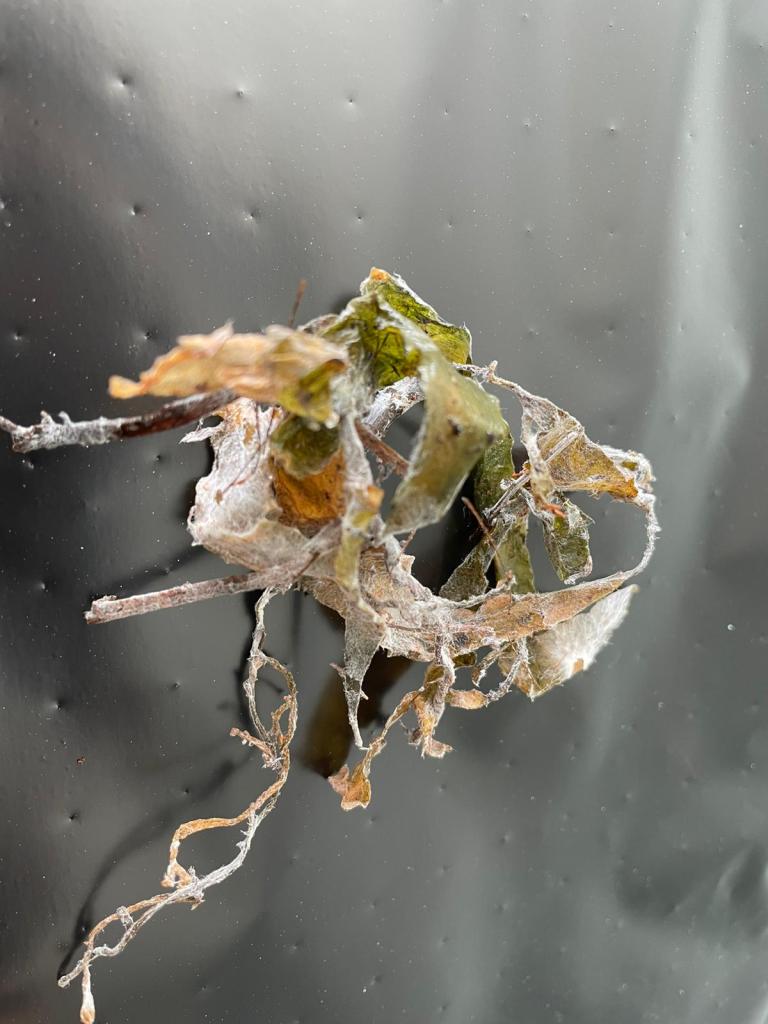
The analyzes carried out by an external lab indicated that the mushrooms grown on the algal wracks did not contain any traces of the pesticides frequently used in Cartagena fields (a total of 621 compounds were monitorized by GC-MS/MS and LC- MS/MS). Furthermore, the obtained fruiting bodies showed normal levels of nitrates and phosphates and minerals and heavy metals contents below the allowed concentrations.
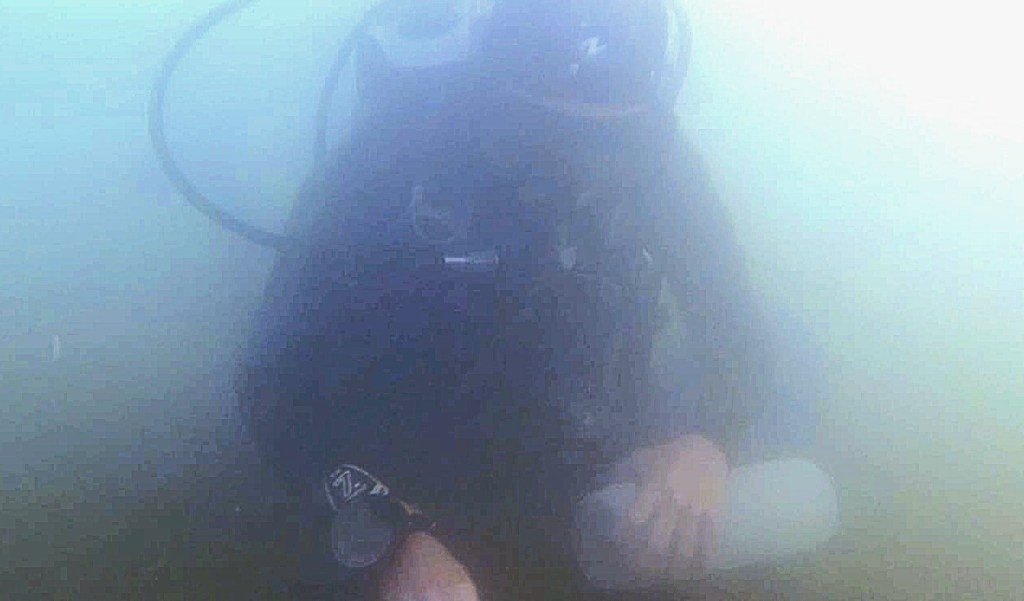
Sometimes conditions for taking samples are not the most favorable, but… there we are!.
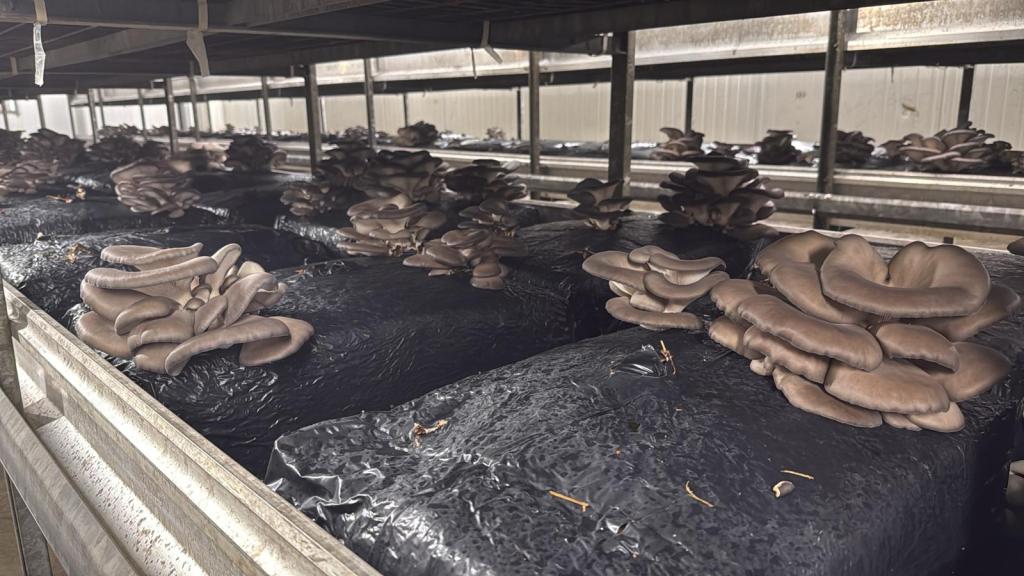
Algarikon went big!!! experiments are now being carried out at semi-industrial scale and we have produced many kilos of Oyster mushrooms with Mar Menor algal wracks!
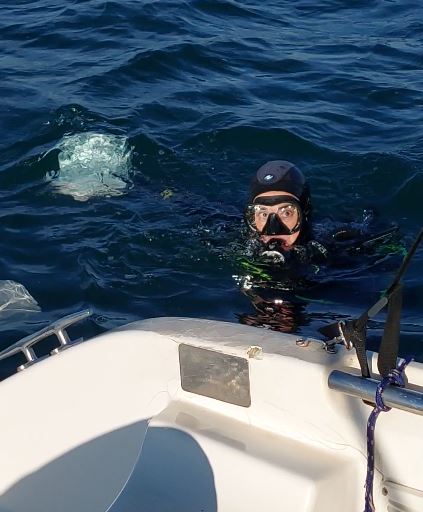
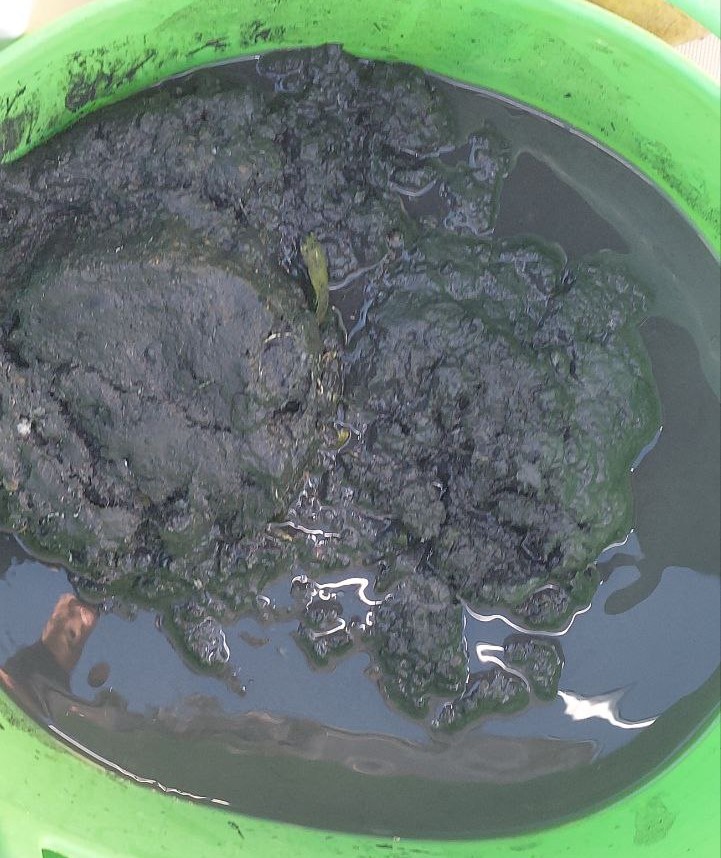
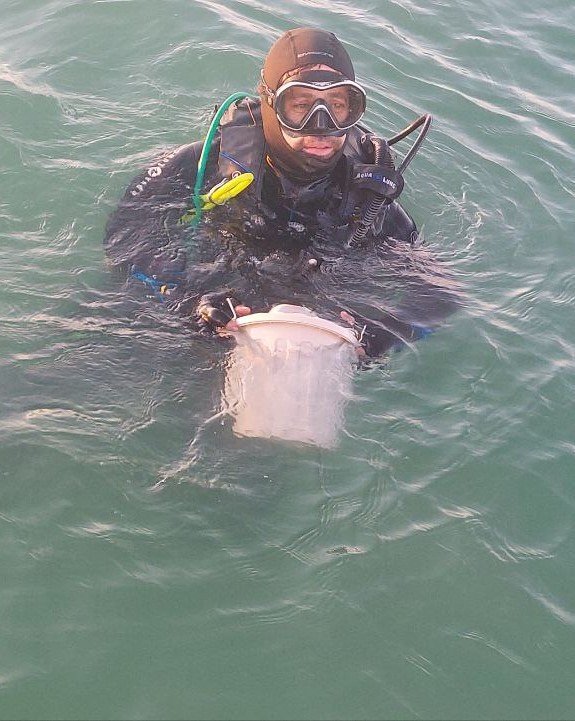
To develop Algarikon-zero we had to dive again to take several sludges from the lagoon bottom as samples
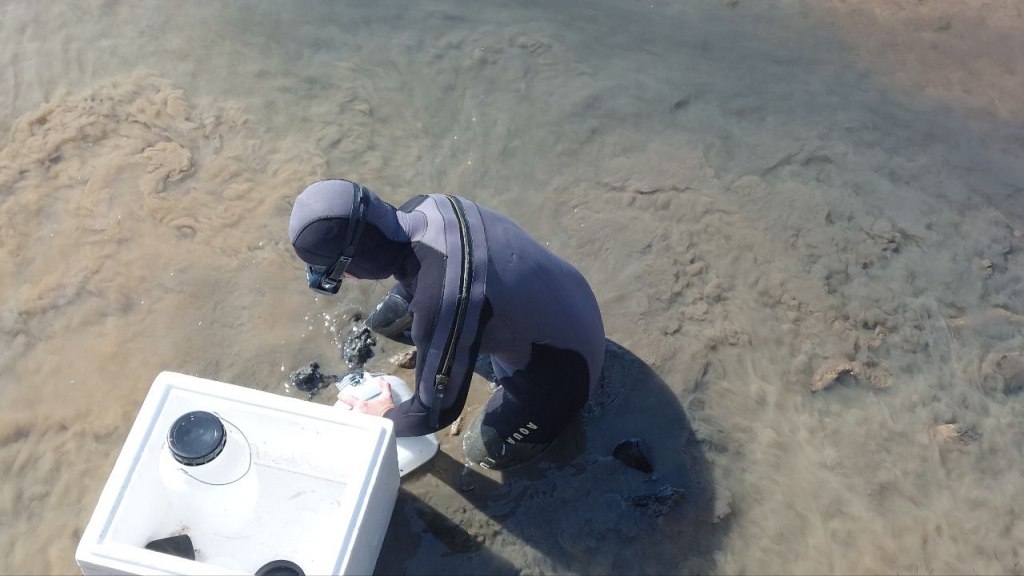
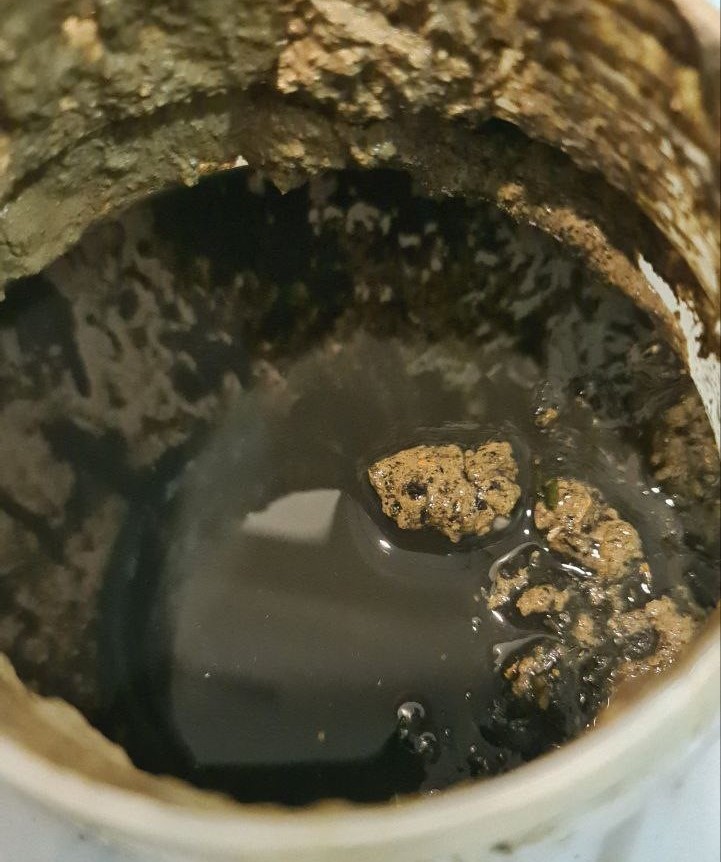
With more difficulties to get in, but we also managed to take more superficial sludge samples, closer to Mar Menor shores
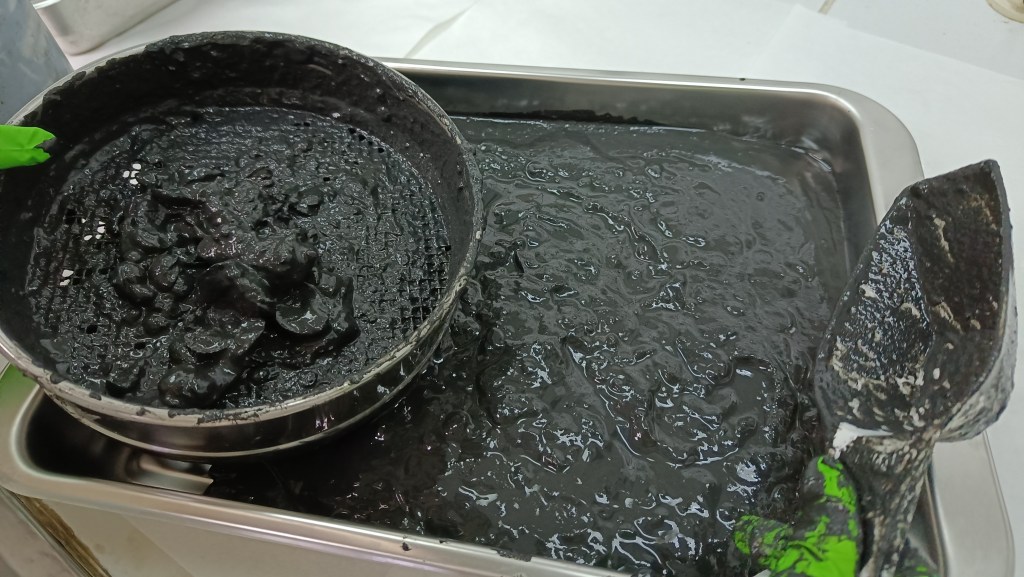
 Proyecto Algarikon